





EV Myths Busted
Let's talk about electric cars for a moment. Rides like the Blazer EV, Equinox EV and every other new electric Chevy in New York are effortlessly fast, silent and comfortable, and they dazzle shoppers with their countless high-tech features. These zero-emissions sensations ultimately herald a cleaner, quieter future for American highways -- and yet common misconceptions about electric vehicles continue to abound.
At our Mount Kisco Chevrolet dealer , we're on a mission to bust these myths about EVs. Below, you'll find the truth about what it's really like to own and maintain an electric car , so check it out -- once you know all the facts, it's easy to see why electric powertrains outshine traditional combustion engines in almost every way.
Shop Electric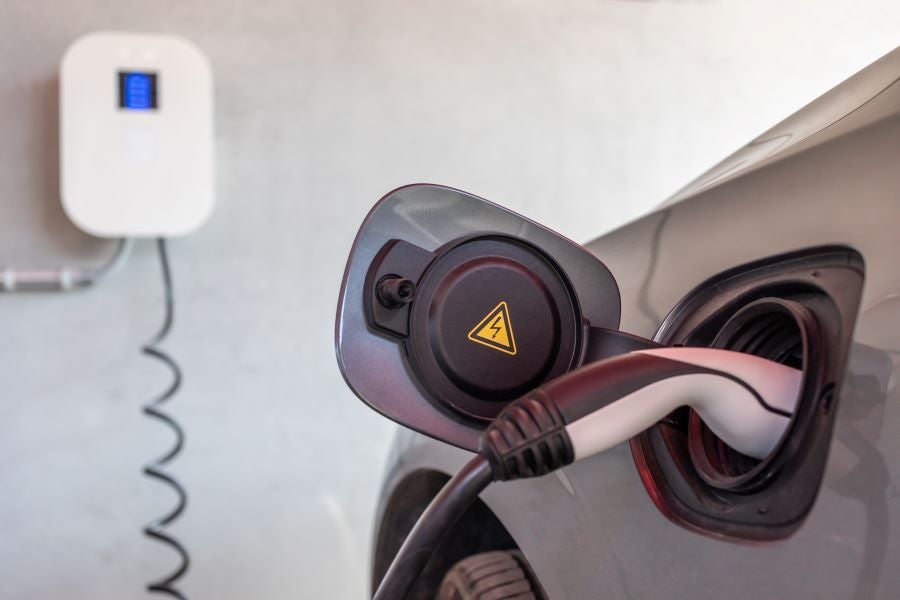
Common EV Misconceptions:
Myth #1: Electric vehicles are worse for the climate than gasoline cars because of power plant emissions.
Power plant emissions are the actual byproducts of using your vehicle. In a gas-powered car, this would be the smoke you see emitted from the tailpipe. In an EV, there are no power plant emissions, because EV batteries and motors don't generate any form of waste output. In fact, an electric car is incredibly energy efficient, converting nearly all its electrical energy into forward propulsion. What little waste is generated during driving is expelled as heat, not noxious fumes that poison our air. Even with the electricity grid powered by fossil fuels, electric cars have much lower overall carbon emissions.
Myth #2: Electric vehicles are worse for the climate than gasoline cars because of battery manufacturing.
While manufacturing electric car batteries does require the use of mining precious metals and minerals, the total emissions generated from this is negated over an EV's lifespan. In other words, while it's true that combustion engine manufacturing might be slightly better for the climate, the thousands and thousands of miles an engine will spend burning gasoline over its lifetime ultimately results in more environmental damage than a zero-emissions EV. While the EV vehicle starts with a higher emission profile, an EV vehicle will save a whopping 30,000KM of CO2 vs. a fossil fuel vehicle.
Myth #3: EV batteries are unreliable and need to be replaced every few years.
EV batteries are actually incredibly reliable and should last the life of the car, with data suggesting a failure rate of less than half a percent for EVs built since 2016. Many automakers also offer incredibly generous warranties to allay concerns about battery longevity. Most new Chevy EVs , for instance, include an 8-year, 100,000-mile warranty that covers certain electric powertrain parts, including the battery.
Myth #4: The increase in electric vehicles entering the market will collapse the U.S. power grid.
The country's power grid is incredibly robust and reliable, and it's been designed with excess capacity to handle the ever-evolving and advancing world we live in. There are also strategies being promoted by many utility companies to encourage off-peak charging -- strategies that often include financial incentives for EV owners. And many shoppers are pleasantly surprised to learn that an EV's power draw when being charged is relatively negligible; data has shown that, in 2020, air conditioning units and water heaters consumed more electricity than EV charging in a typical American household.
Myth #5: There is nowhere to charge.
Currently, there are thousands of public EV chargers in New York and across the country, with more and more public chargers coming online every day. There are also affordable, convenient in-home charging options that can turn your garage or driveway into your personal charging station. Once you start looking for nearby Level 2 or Level 3 EV stations, you'll see just how many are available in and near your community. Range anxiety is no longer a concern for Chevy EV & Cadillac EV customers because they now have full access to Tesla's Supercharger Network using the MyChevy/MyCadillac Apps.
Myth #6: Electric vehicles don’t have enough range to handle daily travel demands.
How far do you typically drive in a day? For most people, local driving is the vast majority of their time behind the wheel -- and this is where EVs particularly excel. Imagine commuting to work, plugging in at the office, then heading home and plugging back into your home charging system for an overnight top-off of the battery. You'll start almost every day with a full charge -- something that's incredibly impractical to do with a gas-powered car.
Myth #7: Electric vehicles are not as safe as comparable gasoline vehicles.
Today's EVs are built to the highest level of crashworthiness, and they often come equipped with the absolute latest in safety technology. This means you'll be more likely to find the most advanced driver-assist features now available in a new EV, providing you with the ultimate peace of mind.
Still have questions about electric vehicles? Contact Mount Kisco Chevrolet today . We'll answer all your questions as we continue to bust EV myths and showcase the promise of this exciting new powertrain technology.
Read More: Why Buy an EV? | EV Tax Credit FAQs
Sales Hours
| Monday | 9:00AM - 7:00PM |
| Tuesday | 9:00AM - 7:00PM |
| Wednesday | 9:00AM - 7:00PM |
| Thursday | 9:00AM - 7:00PM |
| Friday | 9:00AM - 6:00PM |
| Saturday | 9:00AM - 5:00PM |
| Sunday | Closed |